
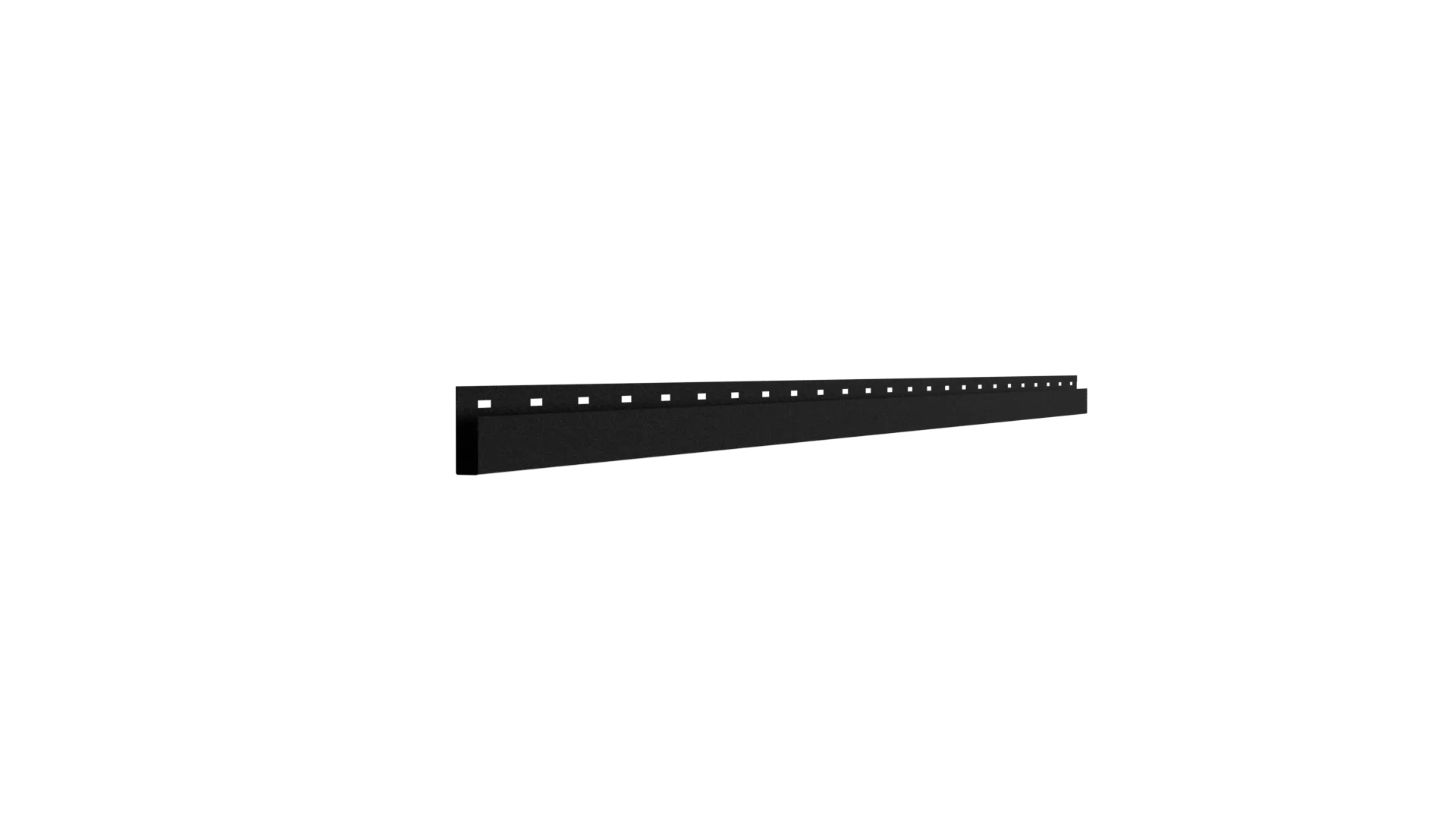
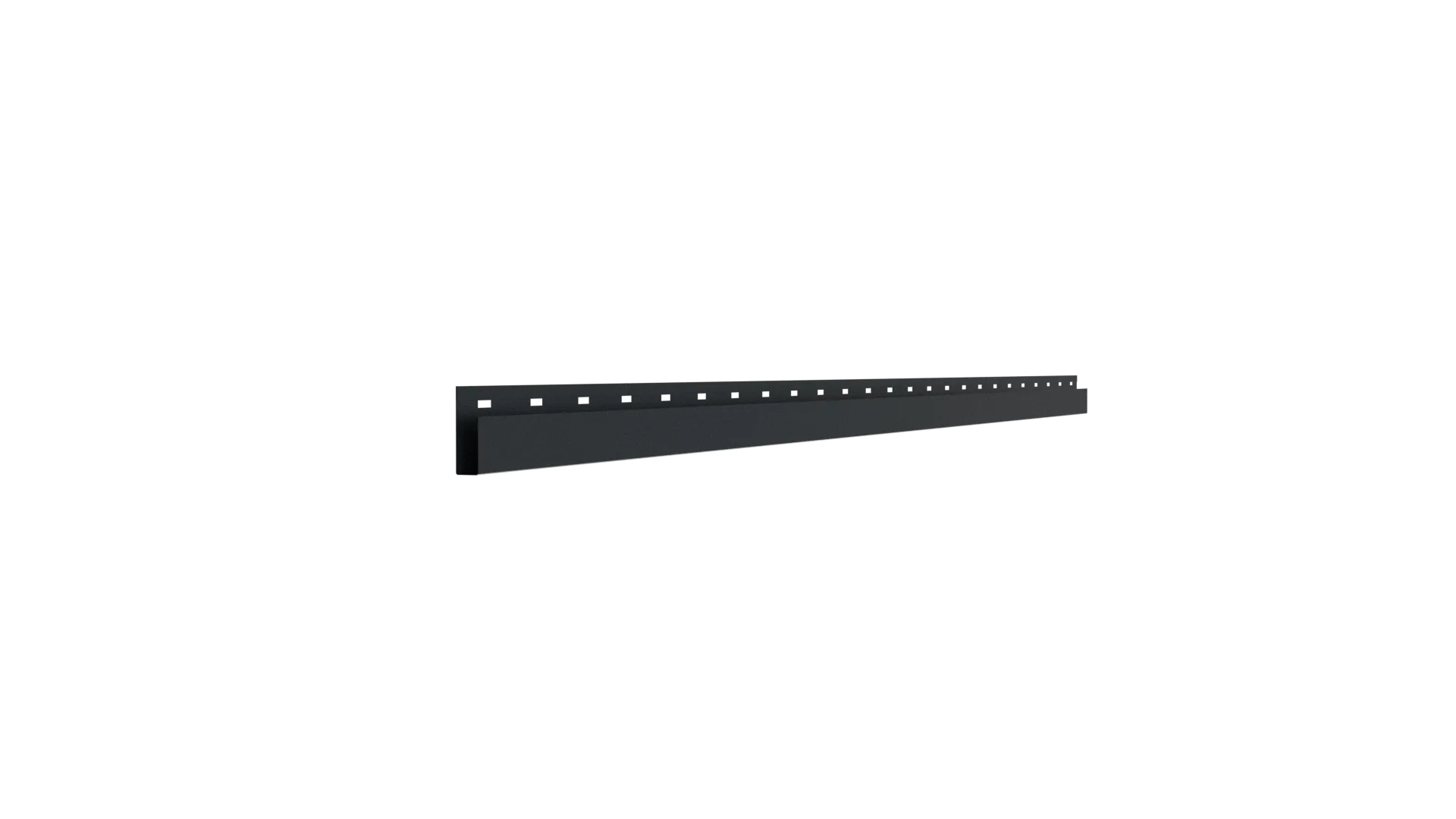
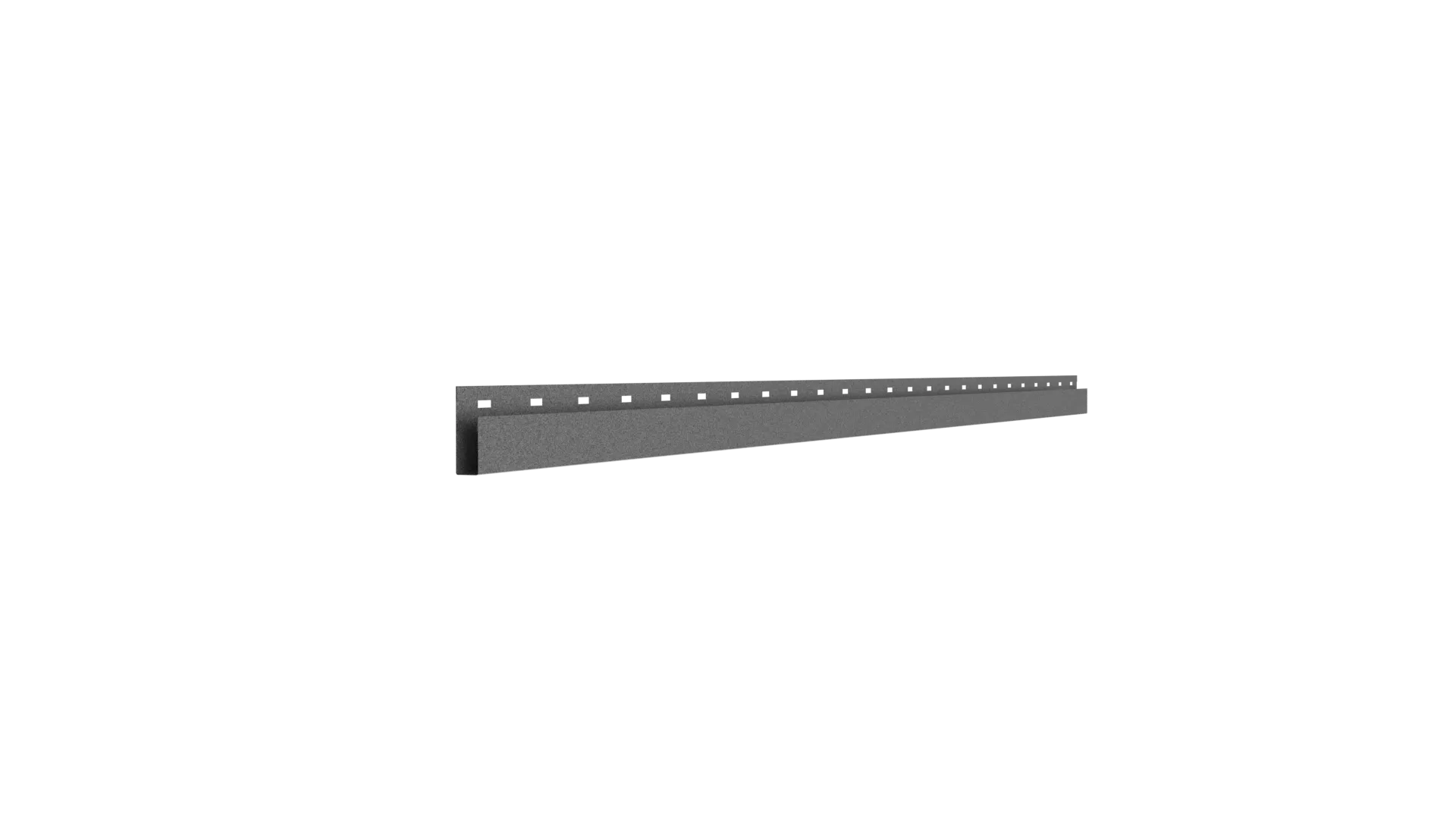
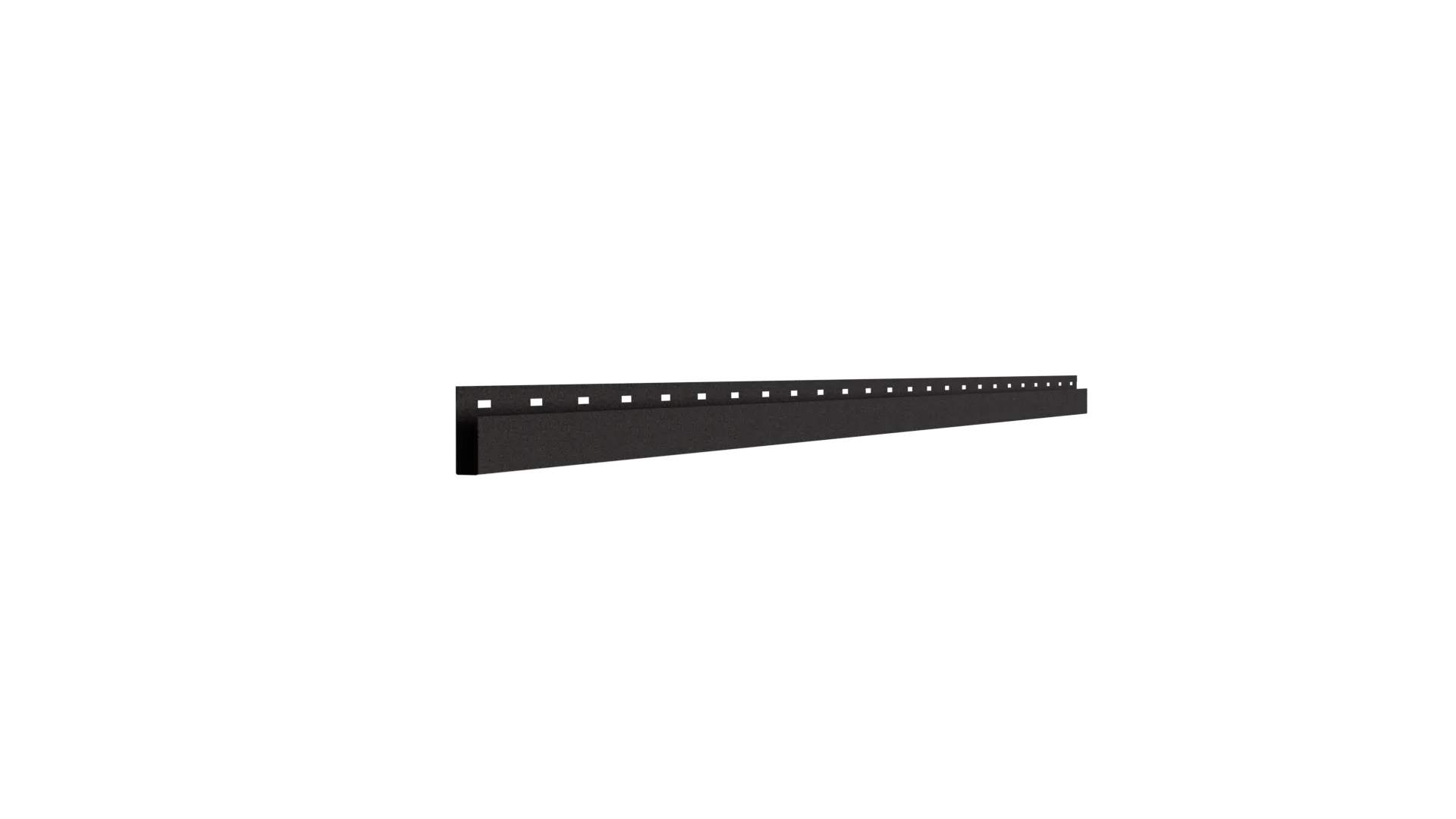
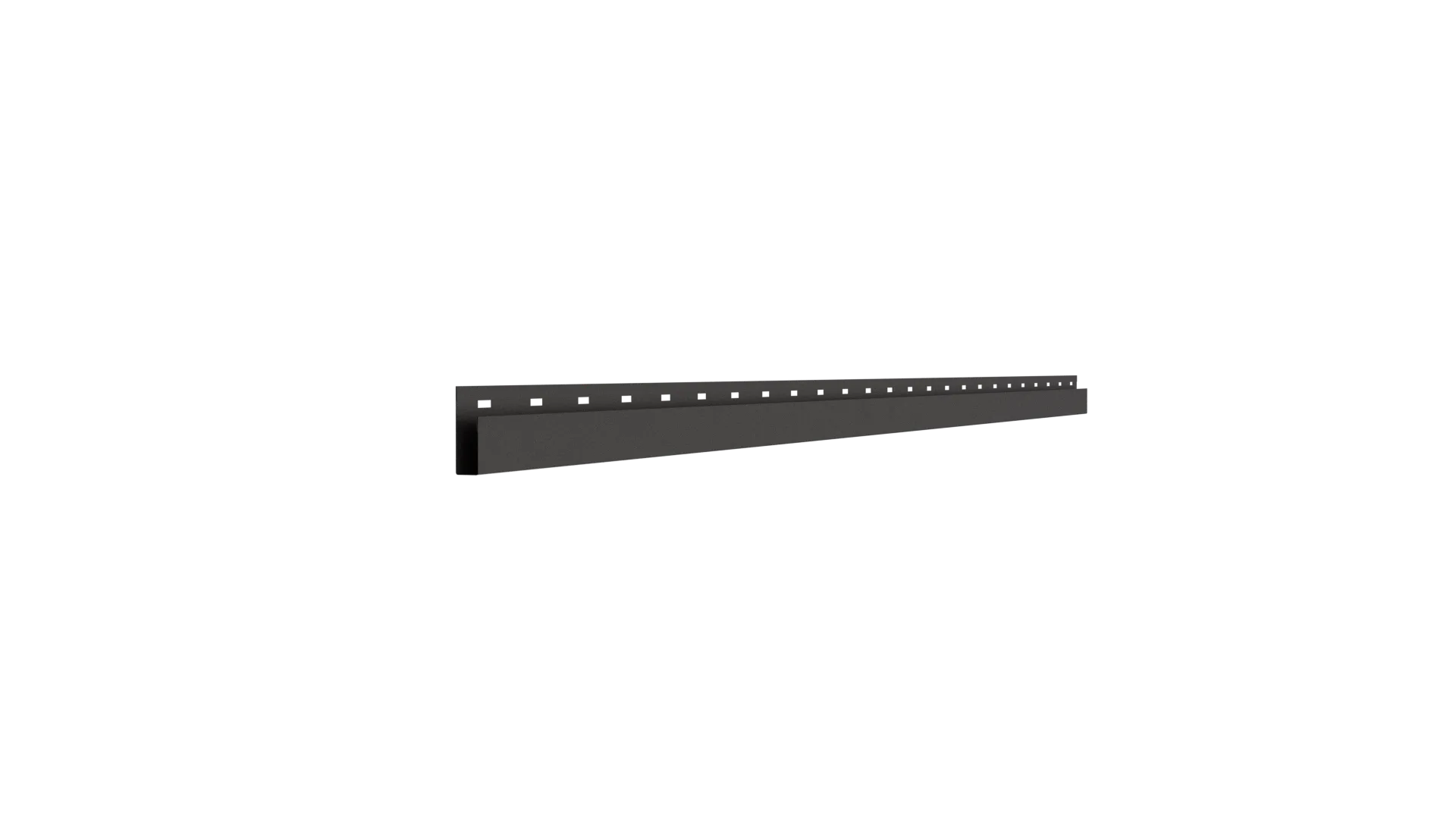
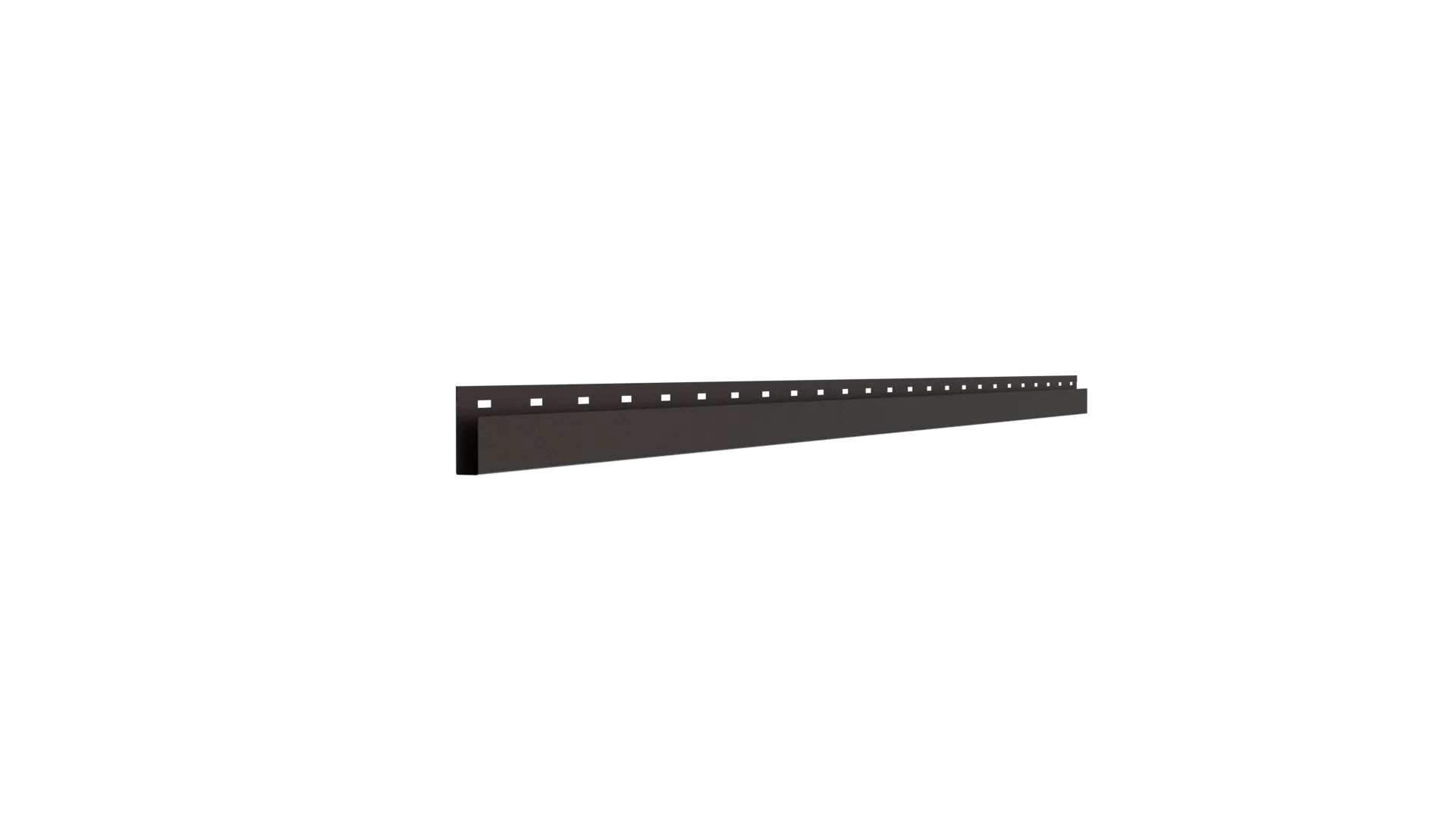
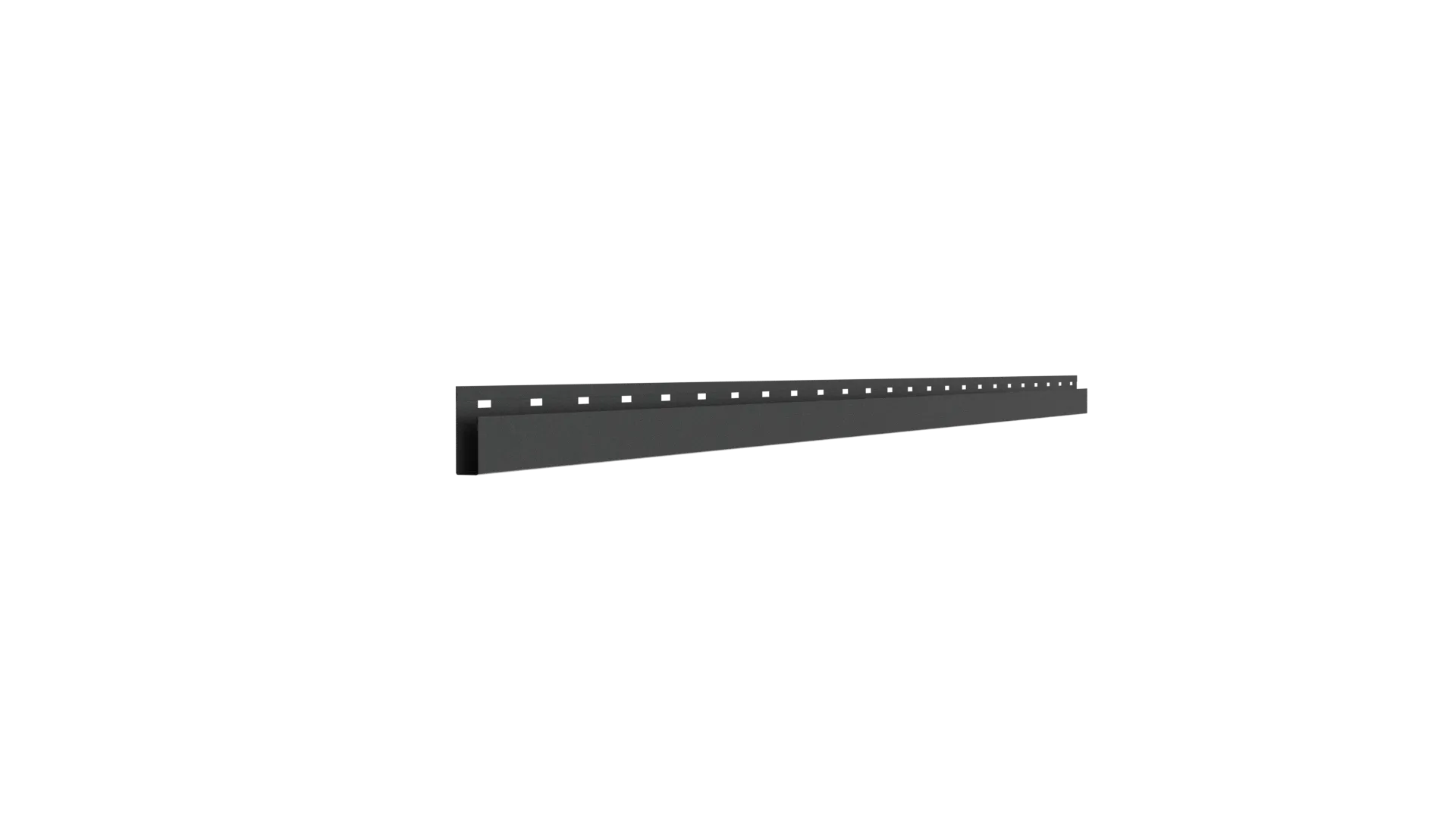
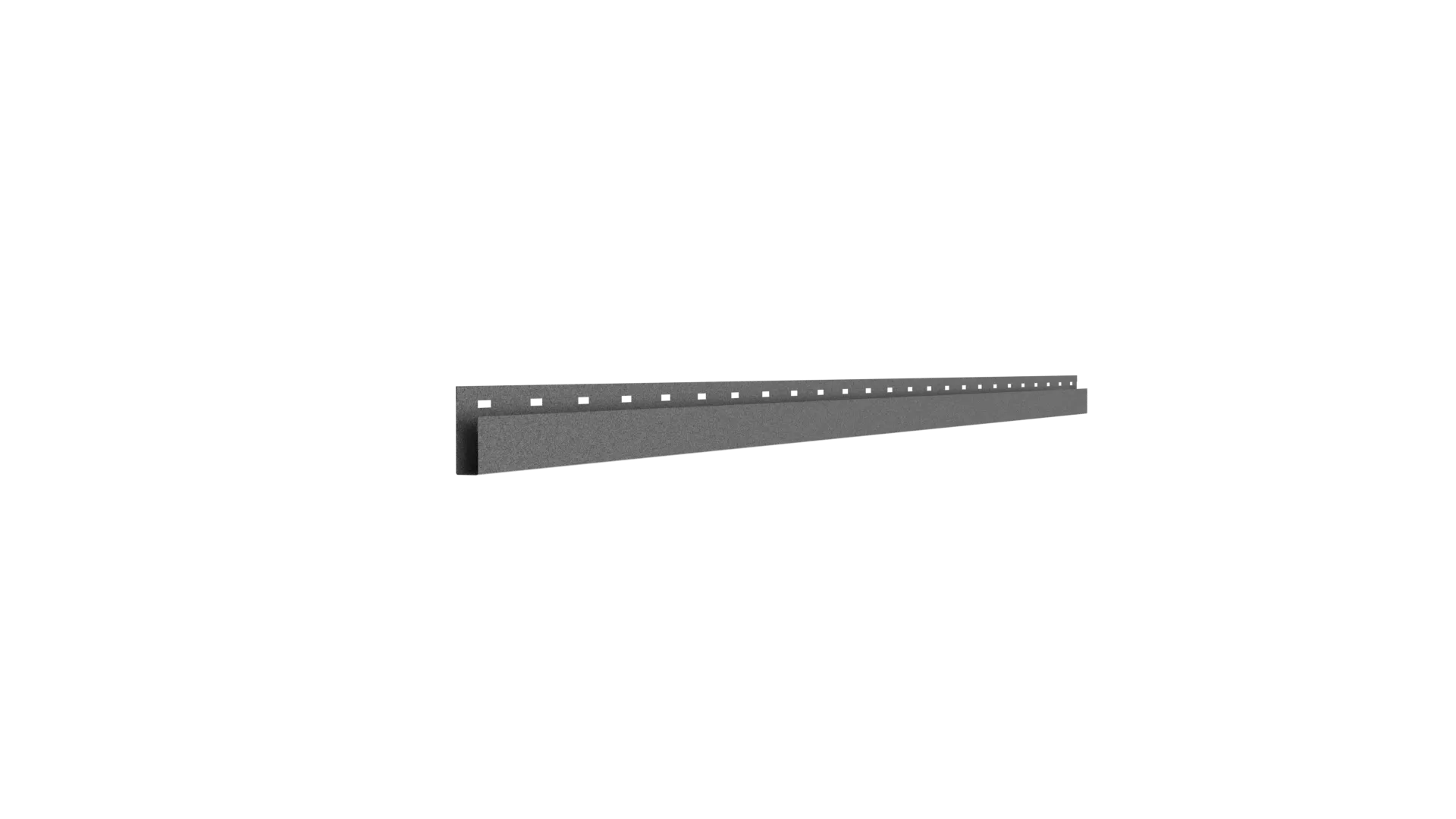
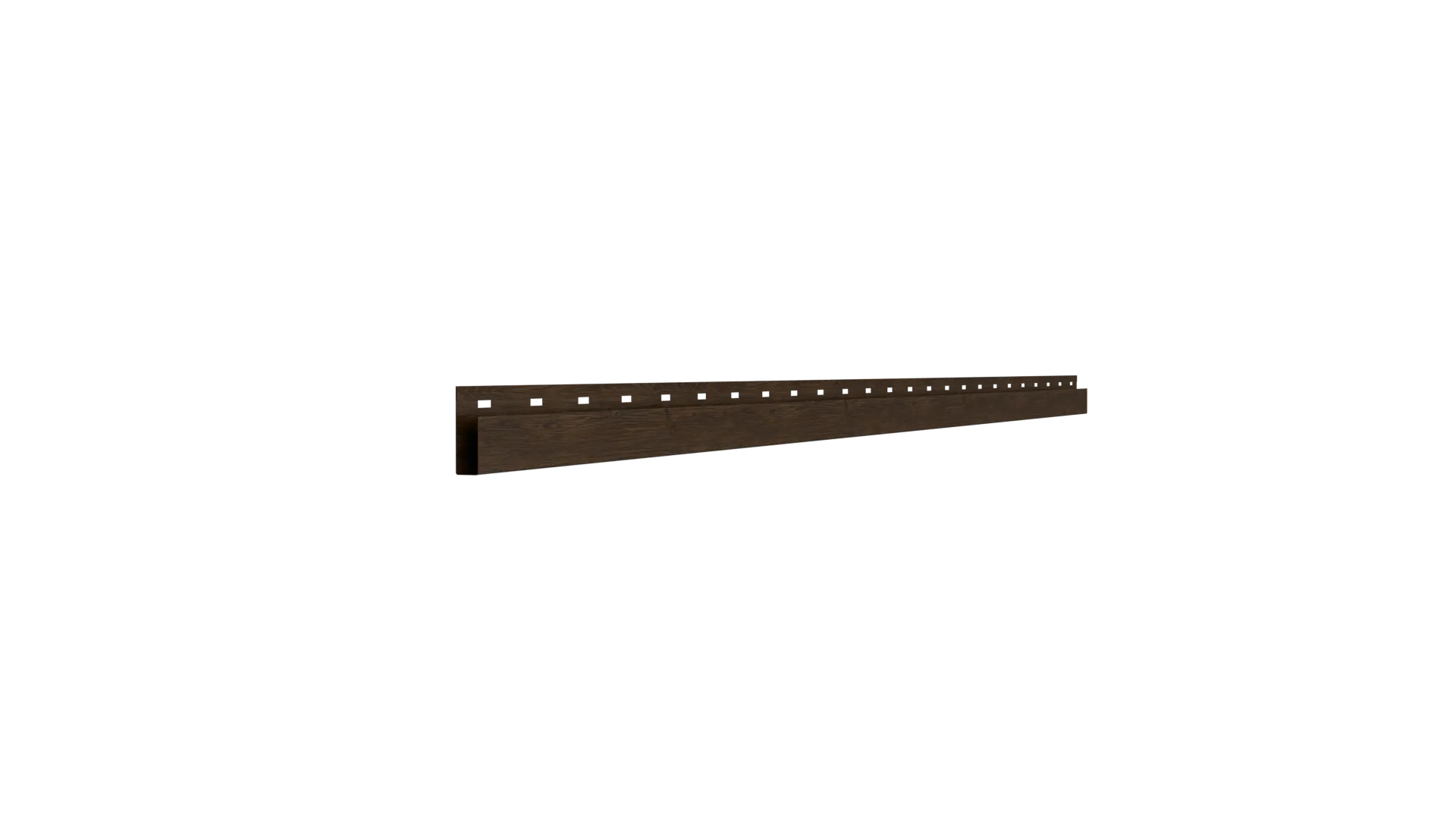
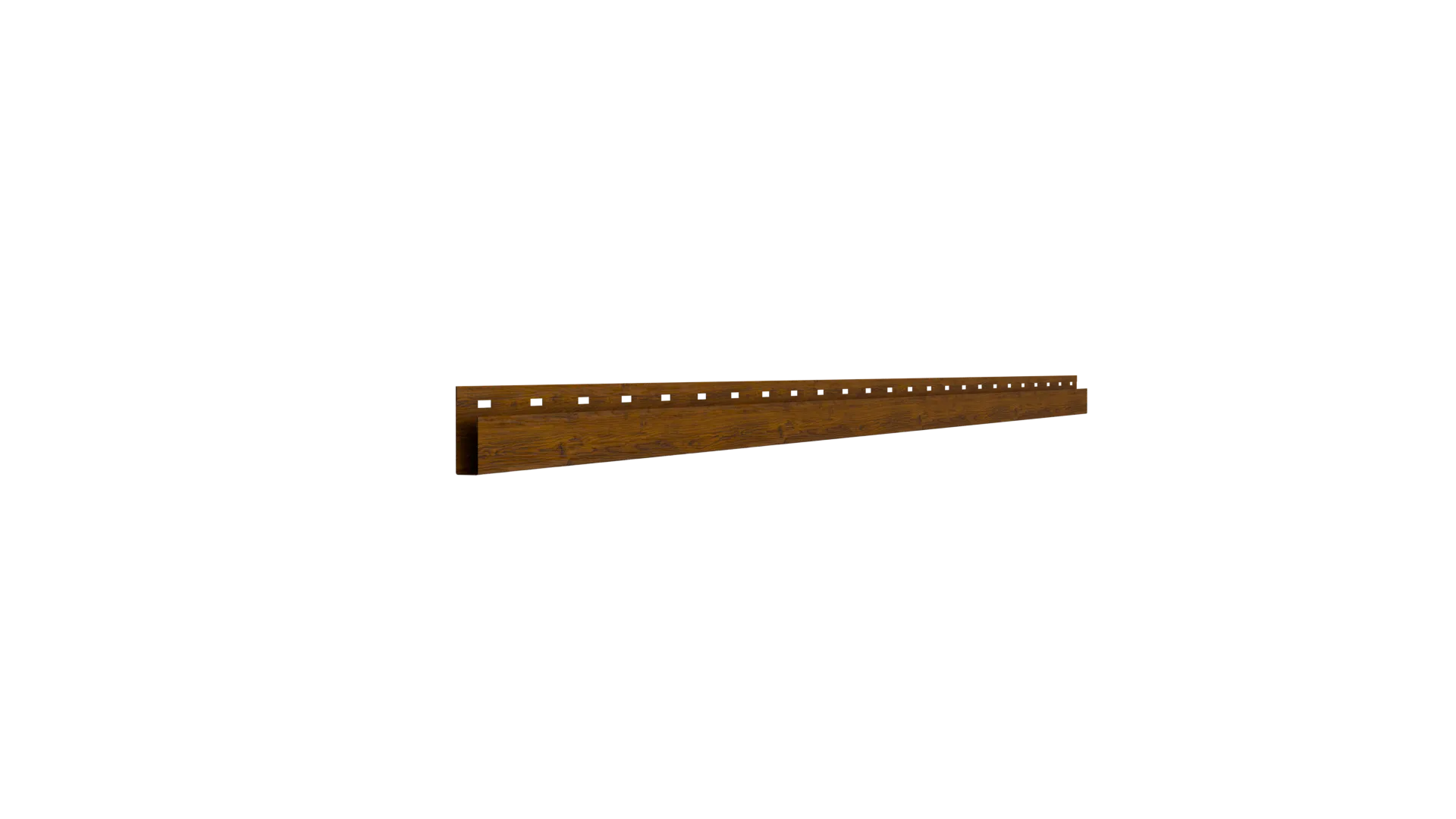
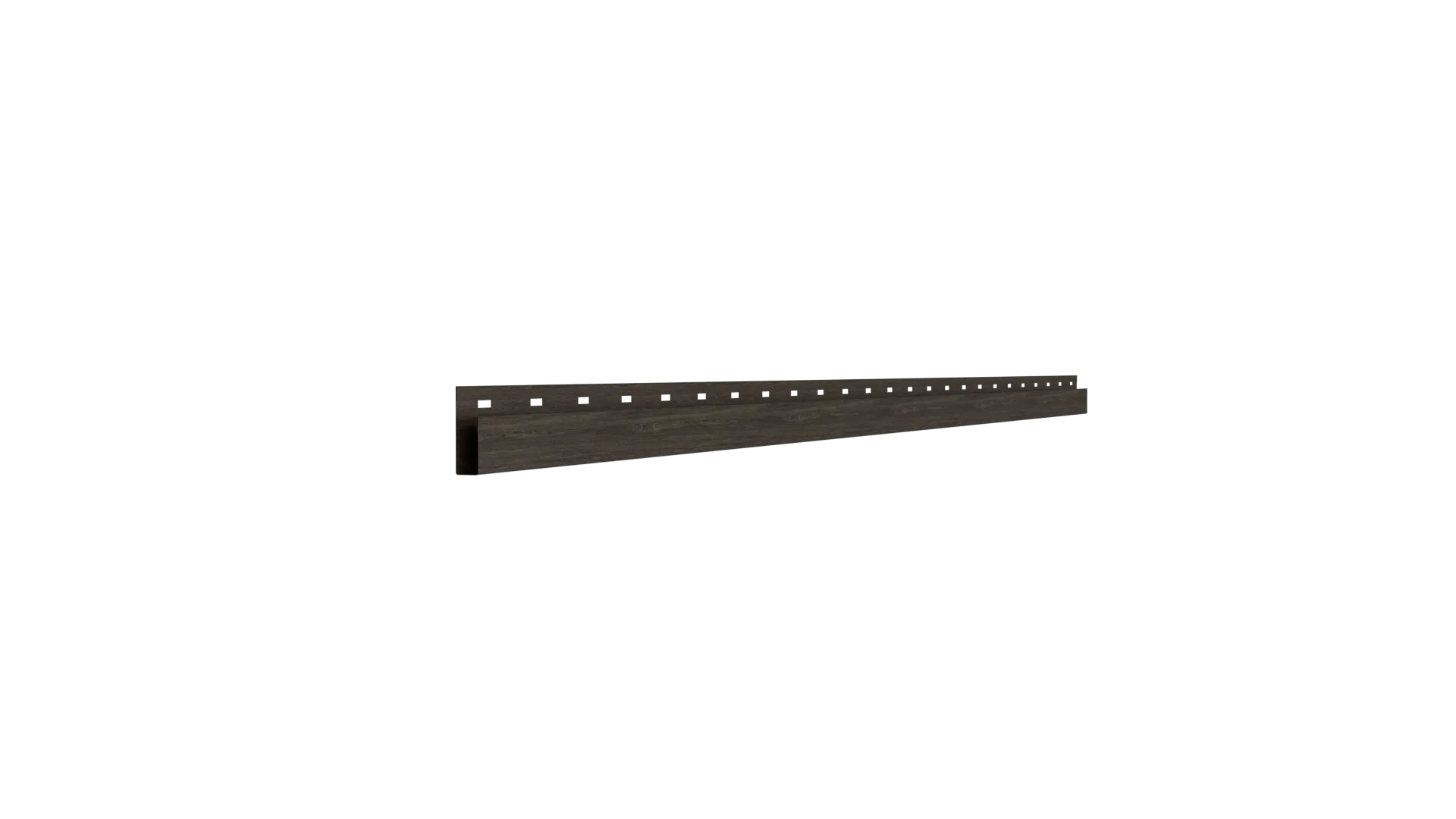
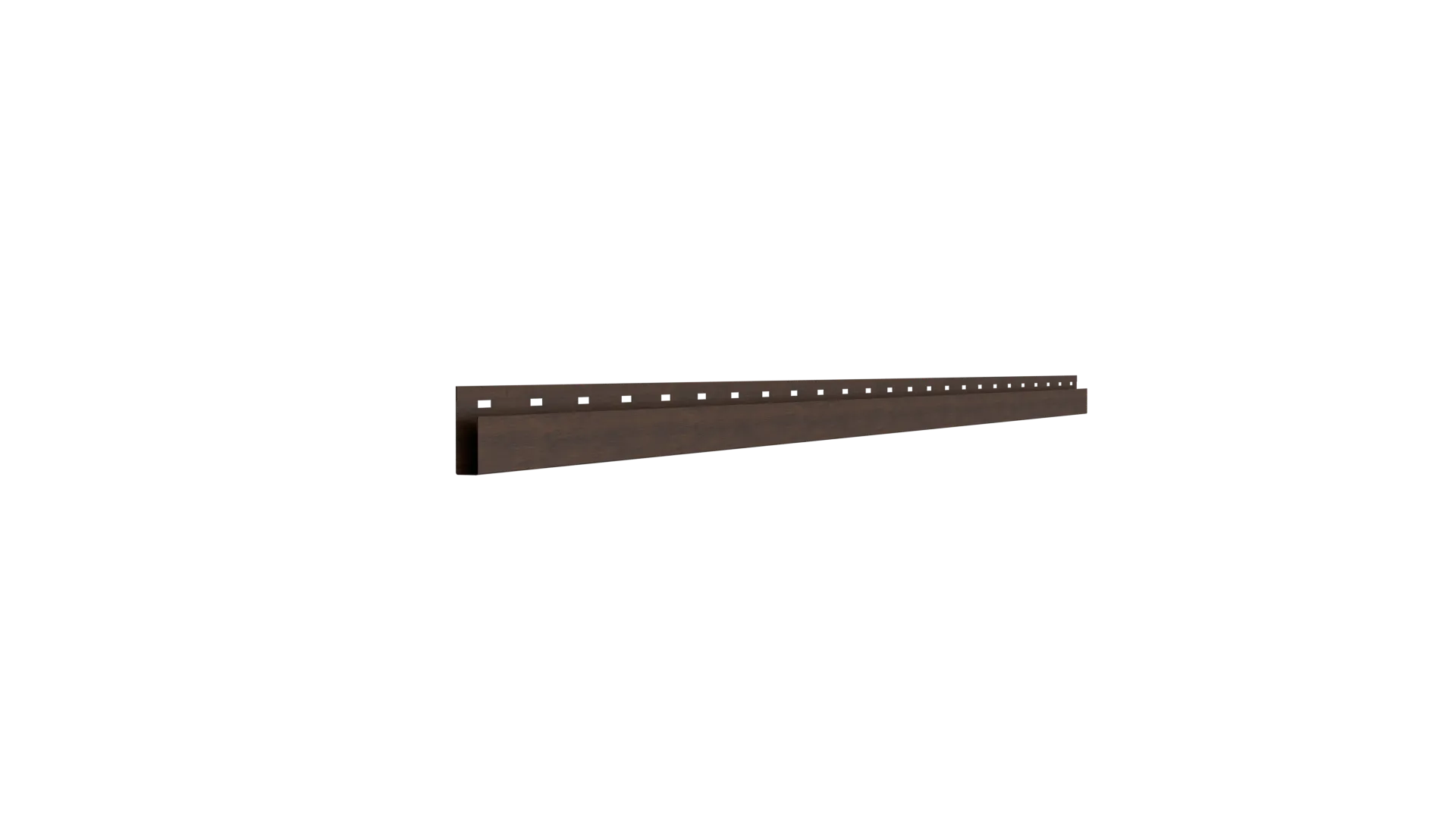
Masking Profile
Pairs well with
In stock! Ships within 1-2 business days.
Delivery between 10-15 Working Days
Risk Free Returns
15-Year Warranty
Easy Installation
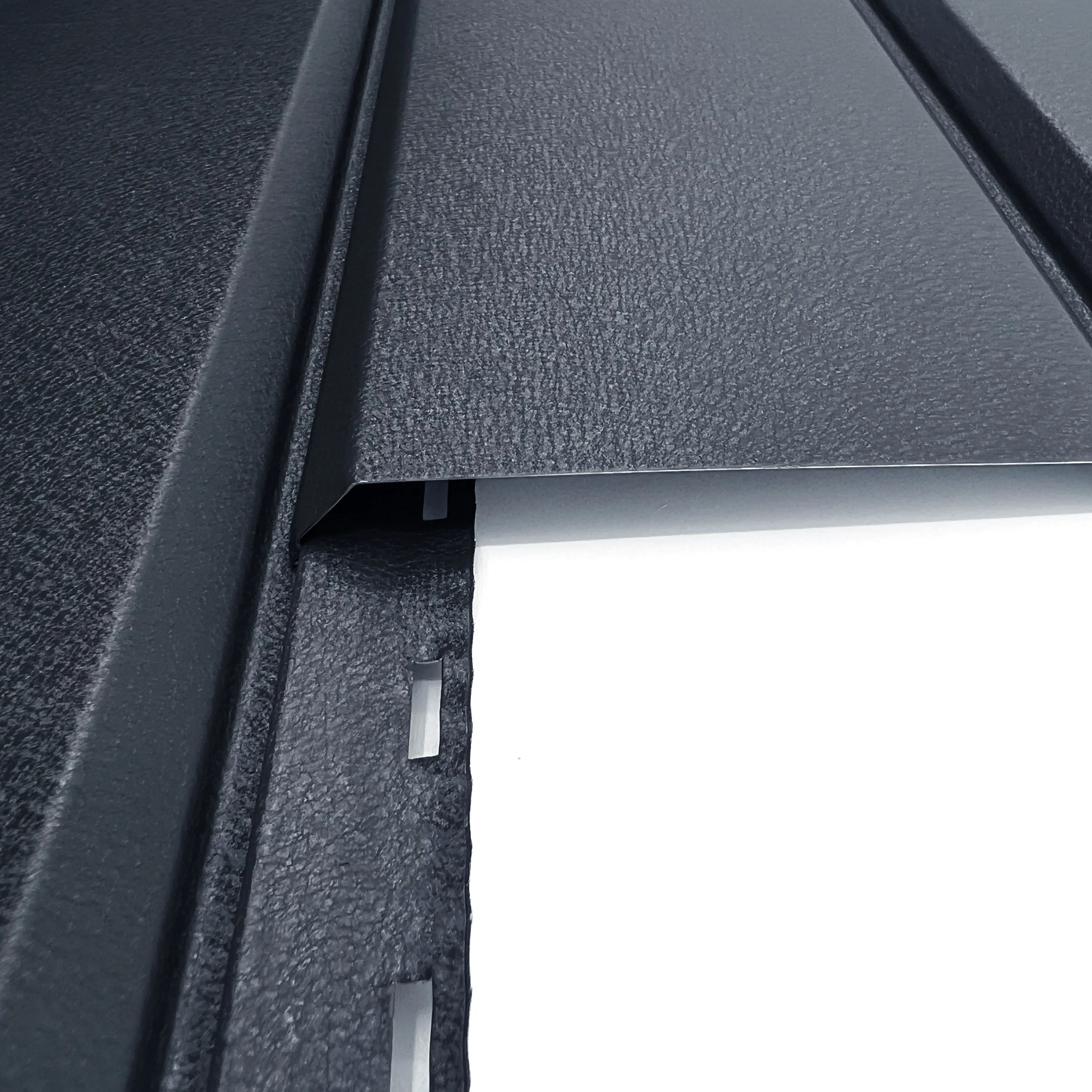
A masking profile (sometimes called an edge trim, edge finishing profile, or cover profile) is a perimeter cladding accessory designed to provide a clean, protective, and visually cohesive termination where cladding panels meet other surfaces — such as wall edges, openings (windows/doors), corners, or transitions to different materials. Its primary role is to conceal cut edges, fixings, and gaps while enhancing both performance and appearance.
1. Covers Raw Edges and Cut Ends
In any cladding installation, boards or panels are cut to fit around edges, corners, or openings. These cut ends are often irregular and can present exposed material that is vulnerable to moisture and dirt. The masking profile conceals these raw cut edges, ensuring a refined and professional finish at all visible transition points.
2. Protects Against Moisture and Debris
By covering the exposed edges of cladding, the masking profile acts as a protective barrier that limits water ingress and reduces the potential for moisture to penetrate behind the cladding. This also helps prevent debris, dust, and wind-driven rain from entering joints or cavities, supporting the long-term durability of the façade system.
3. Enhances Aesthetic Consistency
A masking profile creates a uniform visual termination at edges, transitions, and around openings. It allows designers and installers to maintain consistent colour lines and crisp architectural detail across the façade. Because these profiles are available in matching materials and colours, they visually integrate with the primary cladding finish and reinforce overall design continuity.
4. Simplifies Installation Around Complex Details
Edges adjacent to windows, doors, parapets, rooflines or intersecting façades often require precise detailing. The masking profile serves as a guiding element for accurate placement, covering gaps and revealing clean lines that conceal minor tolerances in cutting or substrate irregularities. This supports a smoother installation process and reduces on-site finishing time.
5. Supports Protective and Maintenance Functions
Beyond initial installation, masking profiles contribute to long-term façade performance. They shield vulnerable ends from weathering and reduce staining or deterioration over time. By limiting exposure to environmental stresses, edge profiles help keep the cladding system looking new and require less maintenance.
Masking Profile
If you have any questions, you are always welcome to contact us. We'll get back to you as soon as possible, within 24 hours on weekdays.
-
Shipping Information
We aim to dispatch orders promptly and keep delivery within the estimated timeframes. All shipments include tracking so you can follow your order’s progress. If any unexpected delay arises, we’ll notify you and keep you informed. Your satisfaction and confidence in our service are our priority.
-
Customer Support
Our customer support team is here to help at every step. We pride ourselves on personalised service, and our in-house design team will create a custom sketch of your project based on your exact dimensions to ensure clarity before production. If you have any questions or need assistance, we’re ready to support you promptly and professionally.
-
Contact Us
Have a question or need a personalised quote? Visit our Contact page and submit your request using the quote form — it’s simple and quick. Once received, our team will review your details and get in touch within 24 hours during the working week. We value your time and are here to help you every step of the way.
Free Delivery
Easy Returns
Fast Installation
Product details
Key Features
Technical Details
Facade Clading Components
Cladding Panels
Cladding Panel - functions as the primary element, providing the desired appearance for the structure

Starter Profile
Starter Profile - is a base trim that is positioned at the foundation of the framework and redirects the water away from the wall

End Profile
End Profile - acts as a finishing element to conceal the fixings and ends of the cladding panels
FAQs
Please read our FAQs page to find out more.
How do I join the panels together?
All documentation, including step-by-step installation procedures, fixing schedules, ventilation requirements, and maintenance guidelines, is available in our Cladding Installation Guide on this website.
What is metal sheet cladding?
Metal sheet cladding is a non-structural exterior covering made of metal sheets applied over a building’s façade or walls, providing protection, finish and aesthetics.
What metals are commonly used for sheet cladding?
Common metals include galvanised steel, aluminium, zinc, and sometimes copper. Each has different properties of corrosion resistance, weight, cost and aesthetics.
What thickness should I consider for the metal sheet?
Thickness depends on application (wall cladding vs roof vs façade). Thinner gauges may suffice for walls; thicker might be needed for high-wind zones or exposed façades.
What coatings and finishes are available?
There are several finishes: pre-painted, galvanised/zinc-coated substrates, various colours or textures (including wood effect) etc
What is the difference between a zinc-coated substrate and a plain steel substrate?
A zinc-coated substrate (galvanised) provides corrosion protection under the paint layer — this extends service life and improves durability versus plain steel without coating.
Do I need insulation behind the metal sheet cladding?
It depends. The metal sheet itself offers protection and finish, but if you want thermal insulation or achieve certain U-values you may need an insulated system. Our system is not insulated.
What profiles and shapes are available for metal sheet cladding?
We offer 3 types of cassette panels that interlock. Flat surface (Jupiter), corrugated surface (Venus), ventilated cassettes (Saturn)
What are the benefits of metal sheet cladding?
- Durable and long service life.
- Low maintenance compared to some other façade materials.
- Good protection from weather (rain, wind, snow) when installed correctly.
- Aesthetic flexibility with colours, textures, finishes.
How long will metal sheet cladding last?
With quality material, proper finish and correct installation/maintenance, it can last many decades. In some cases lifespans of 40-50 years (or more) under favourable conditions.