


Starter Profile
Pairs well with
In stock! Ships within 1-2 business days.
Delivery between 10-15 Working Days
Risk Free Returns
15-Year Warranty
Easy Installation
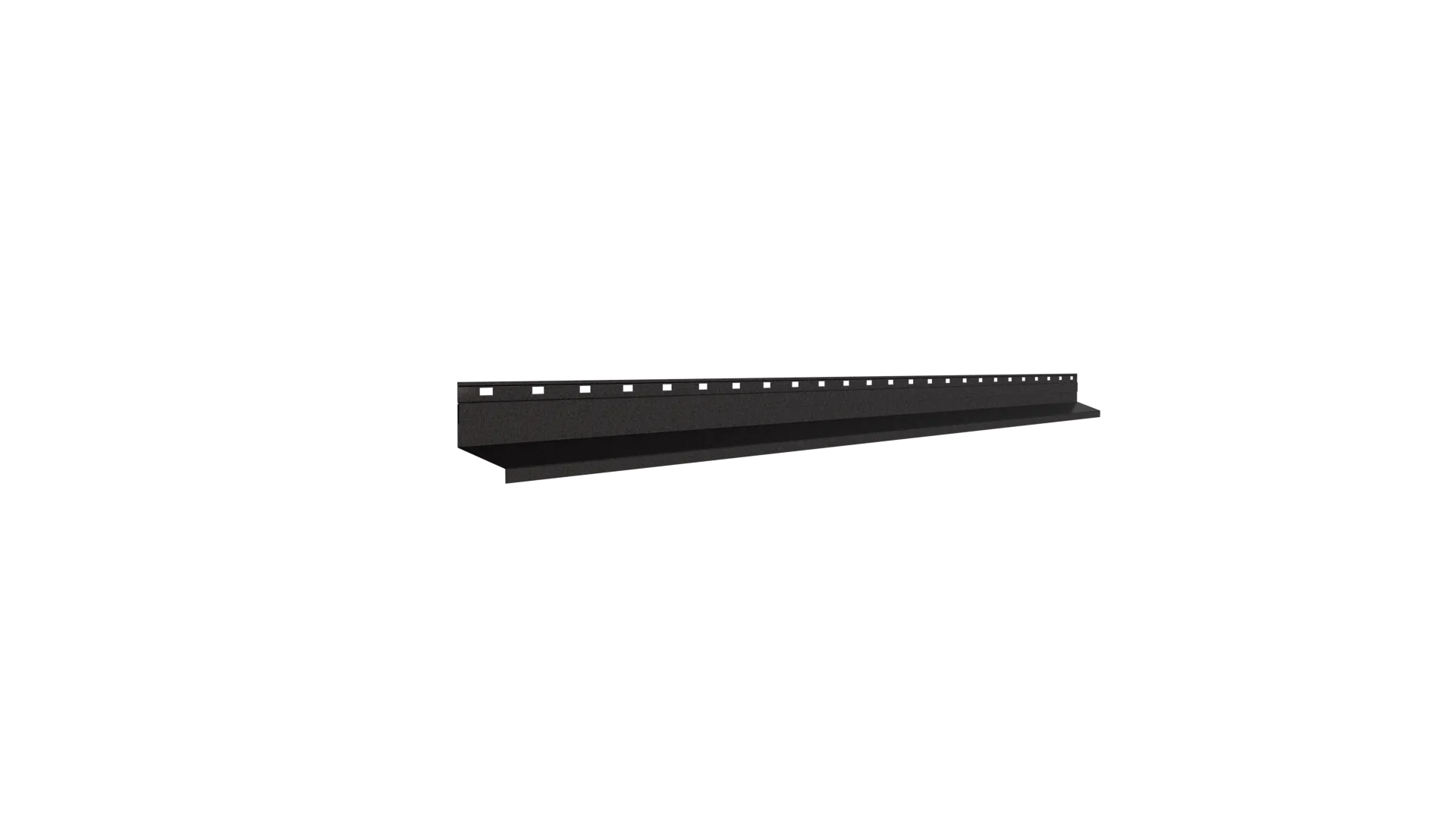
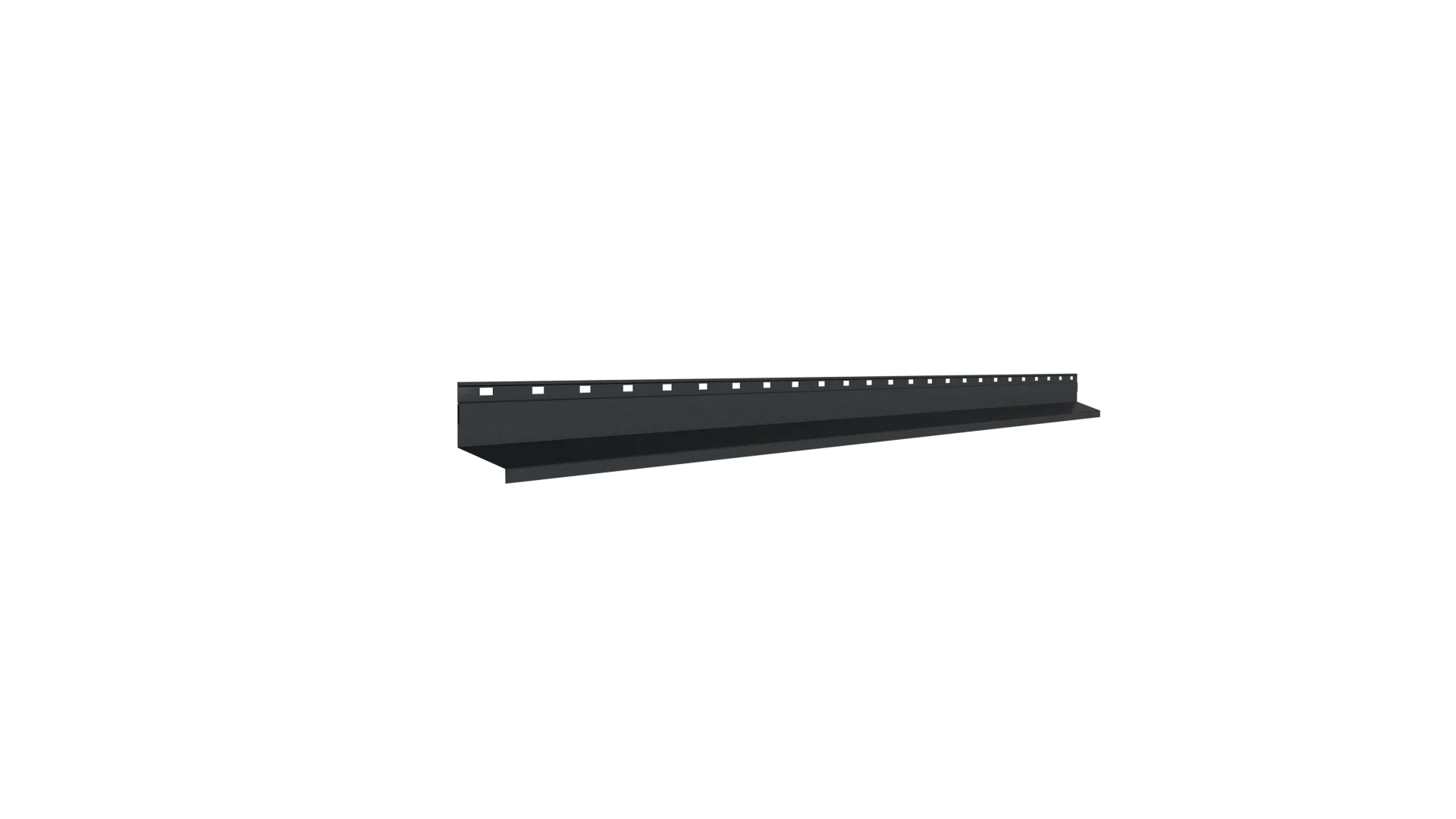
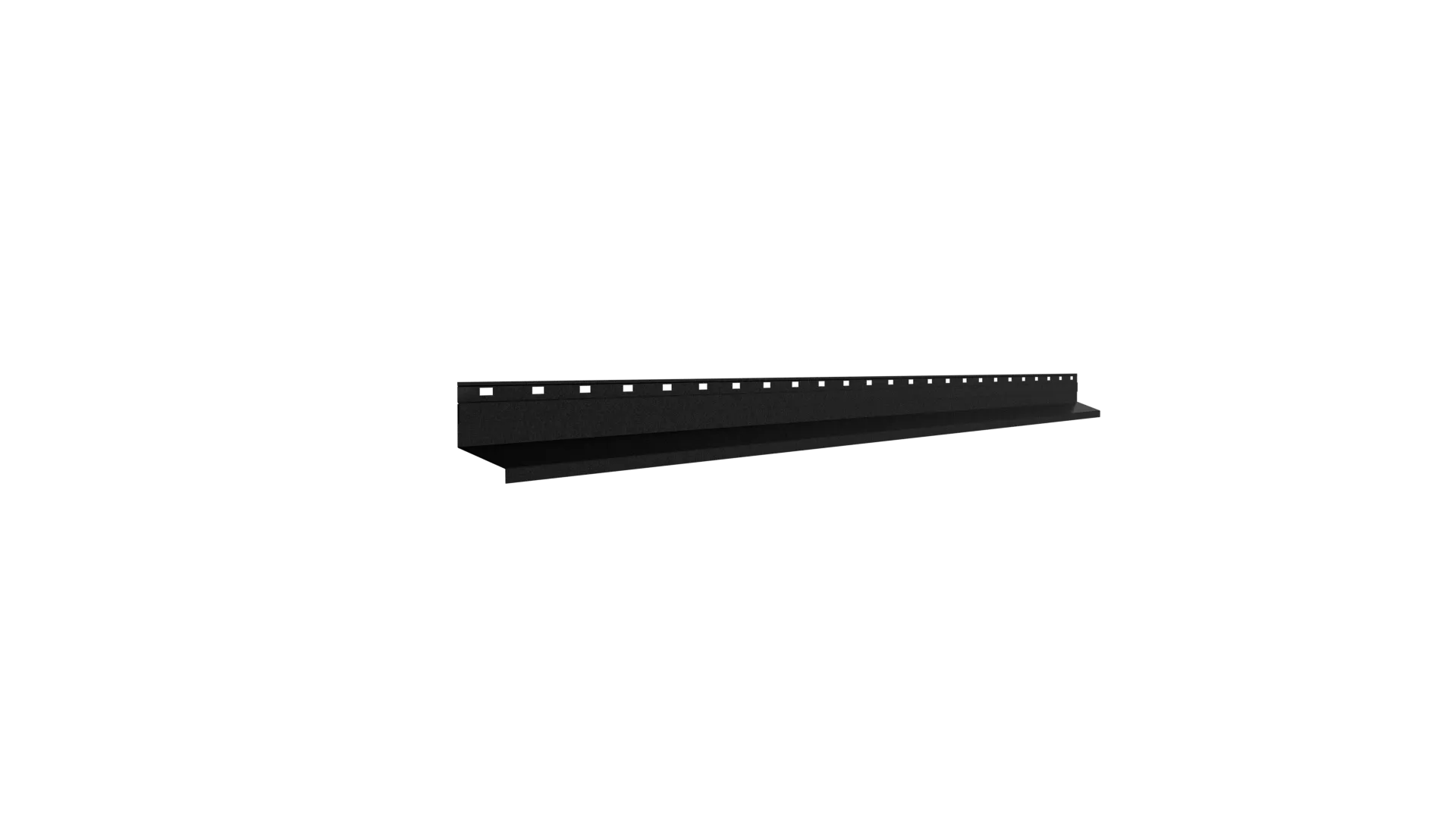
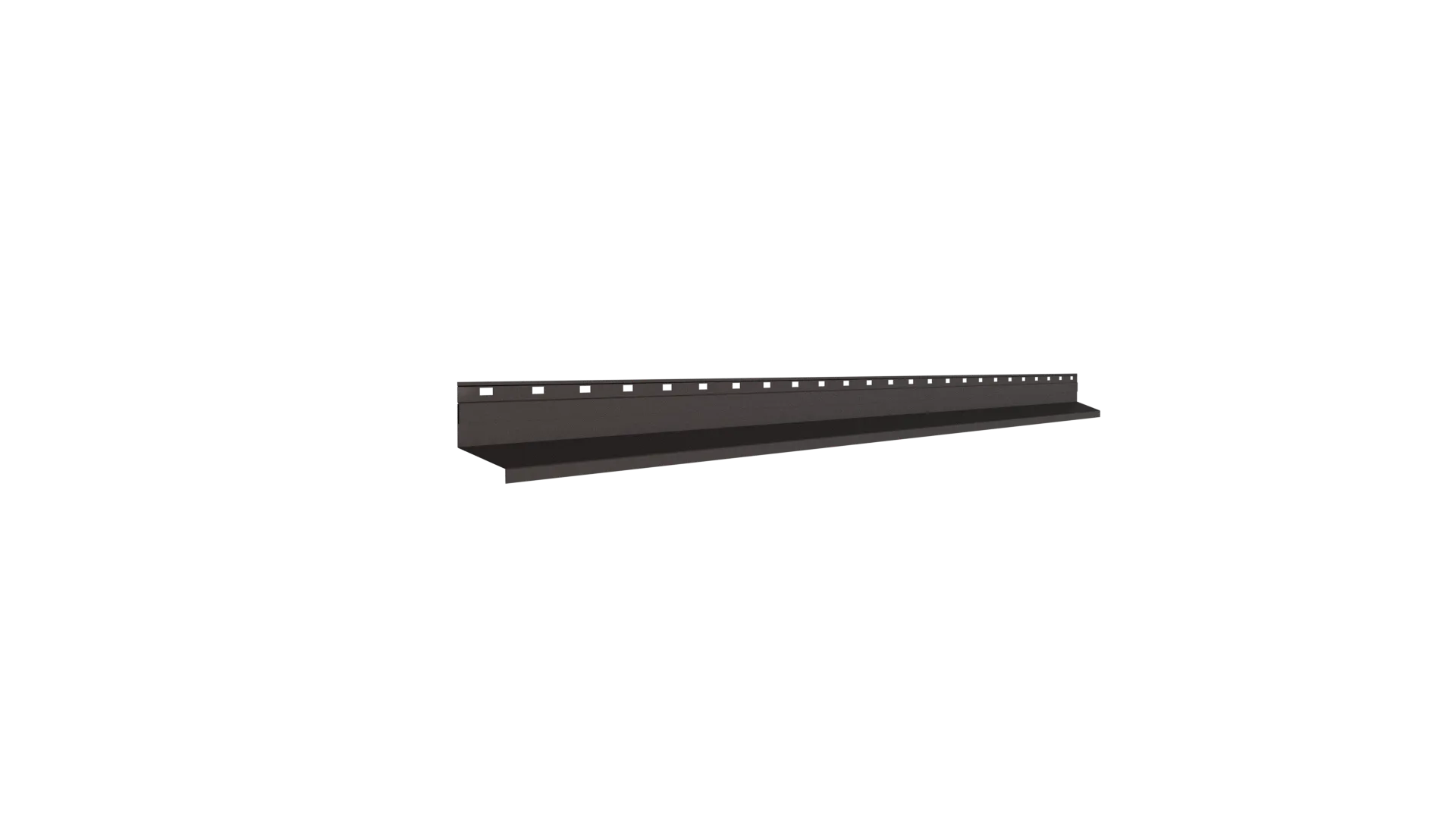
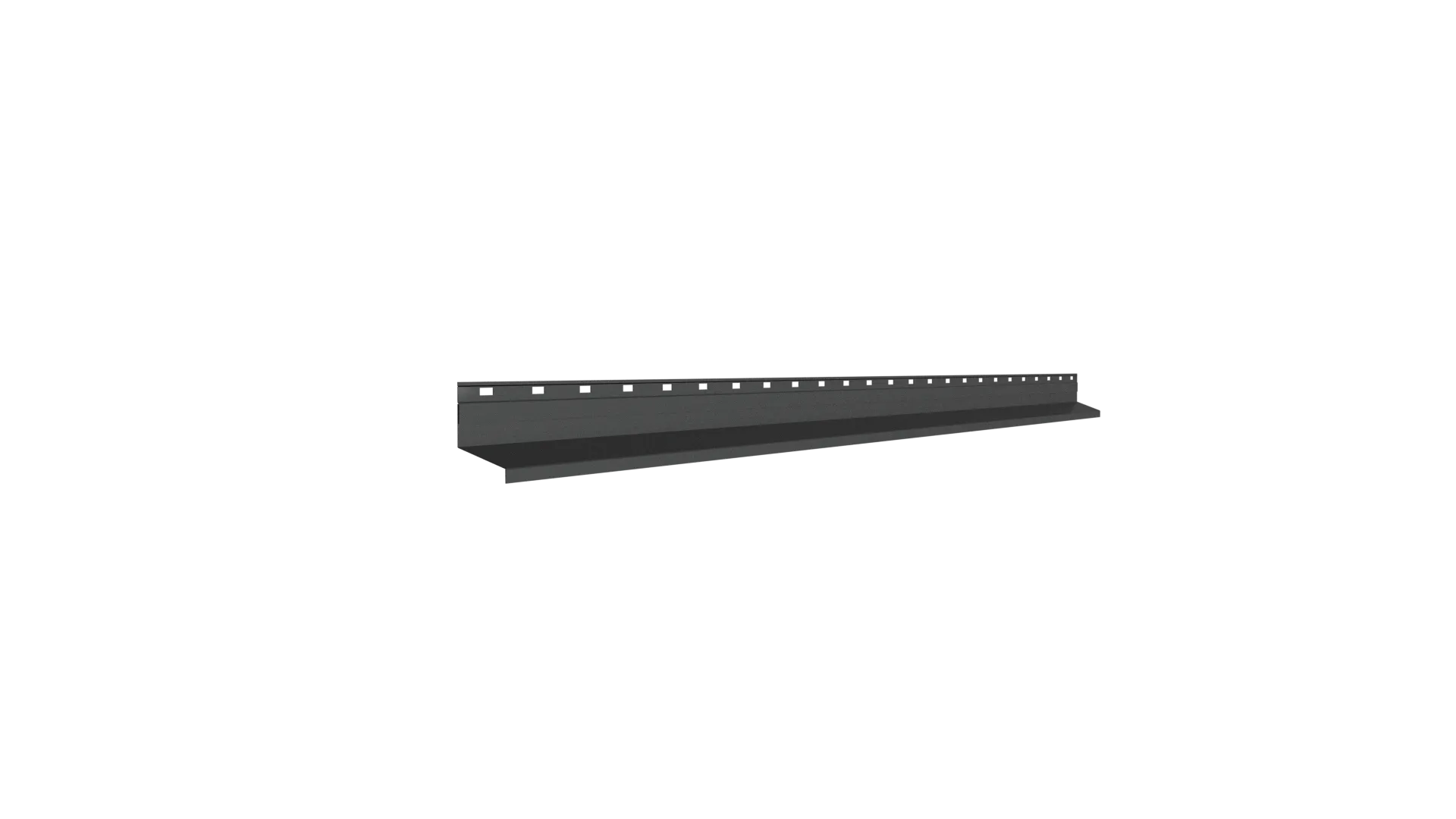
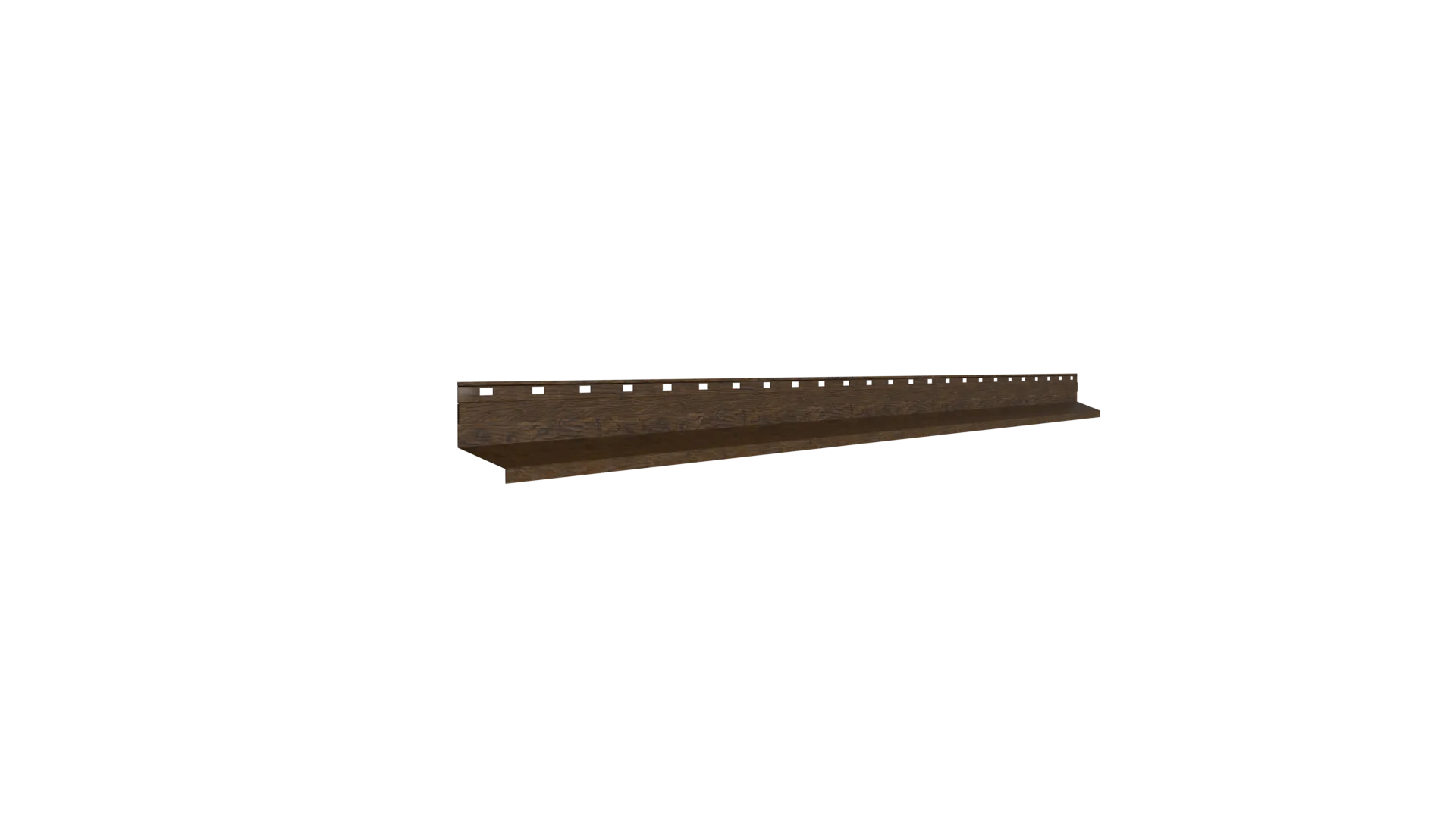
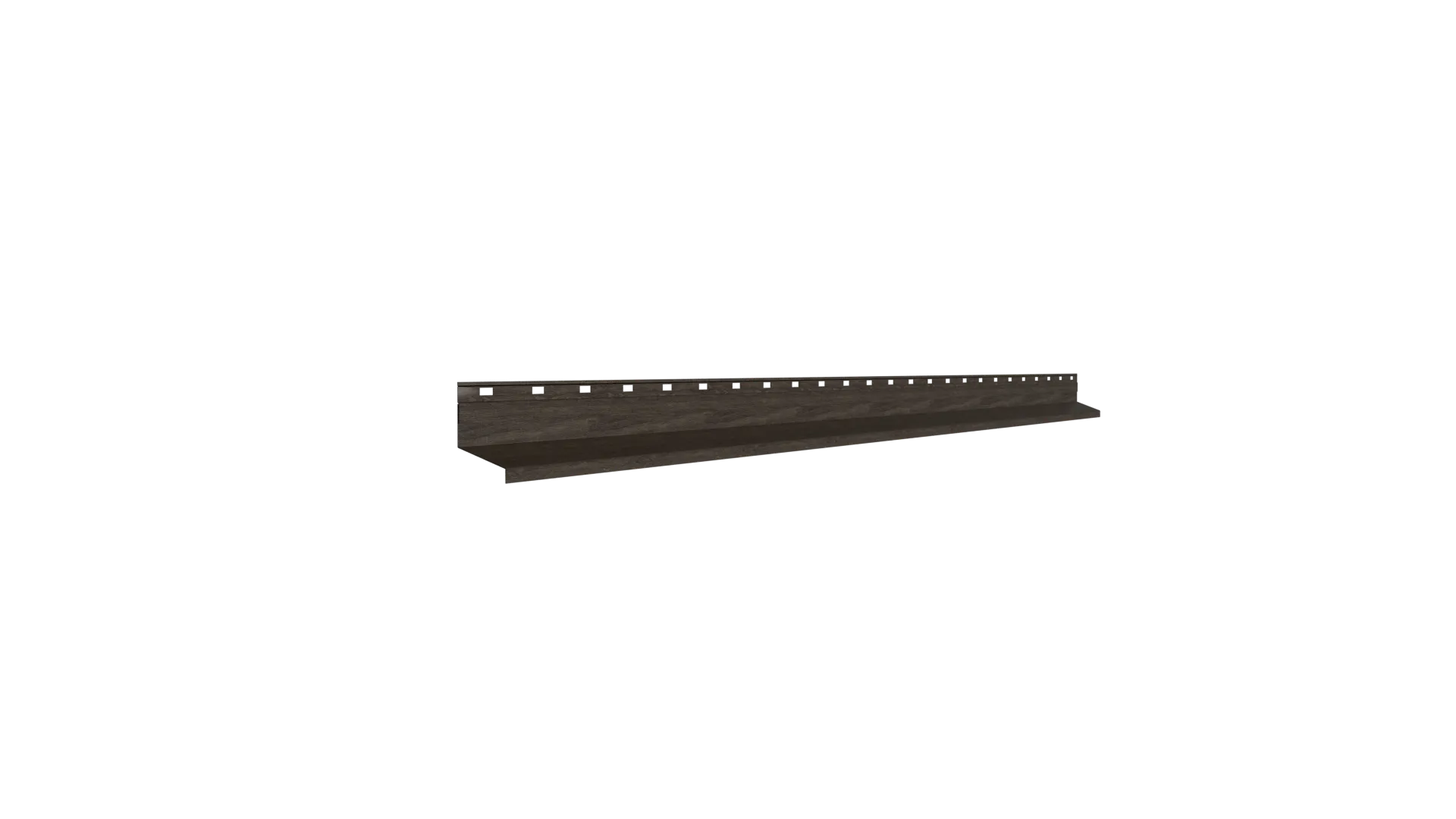
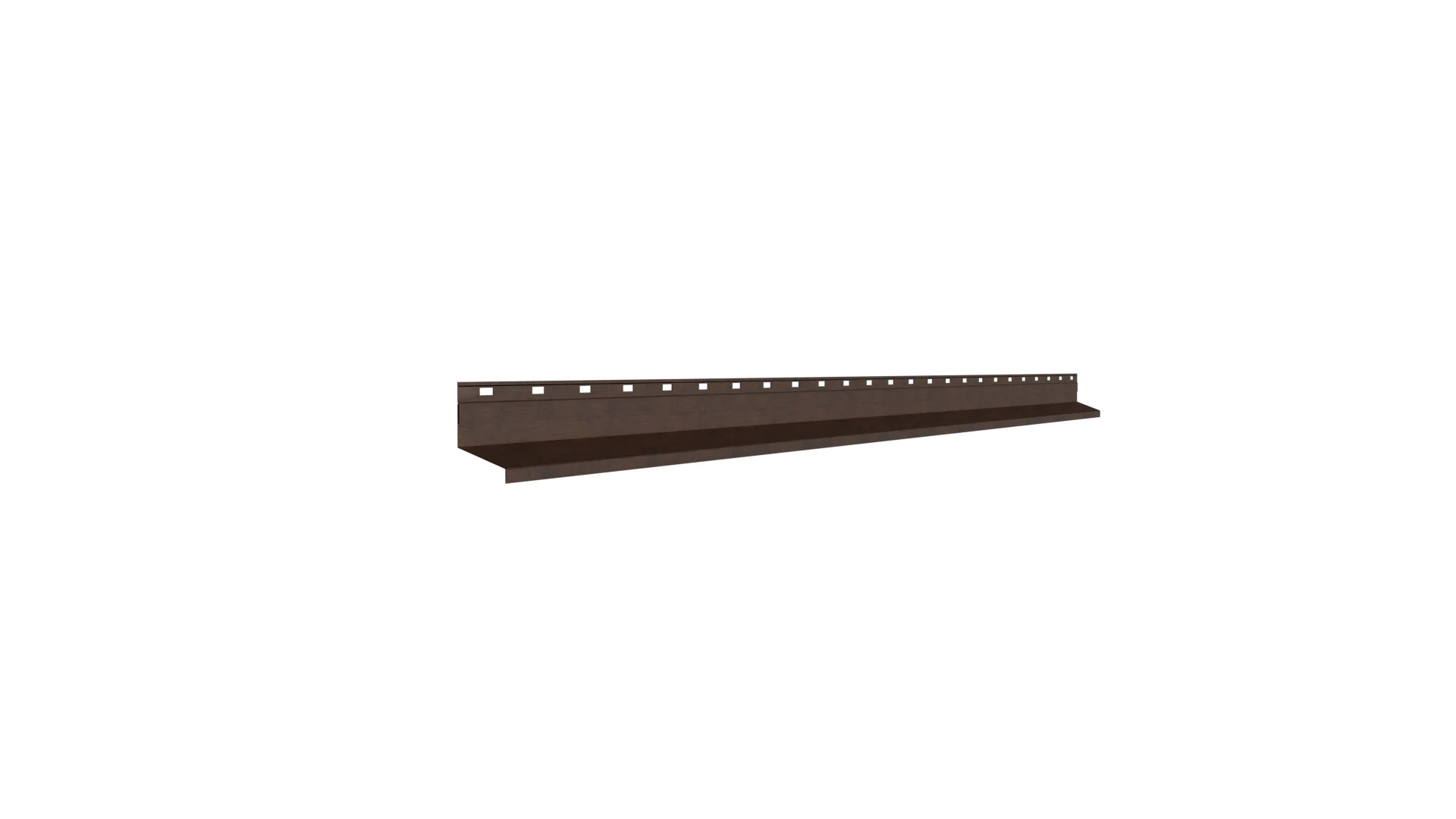
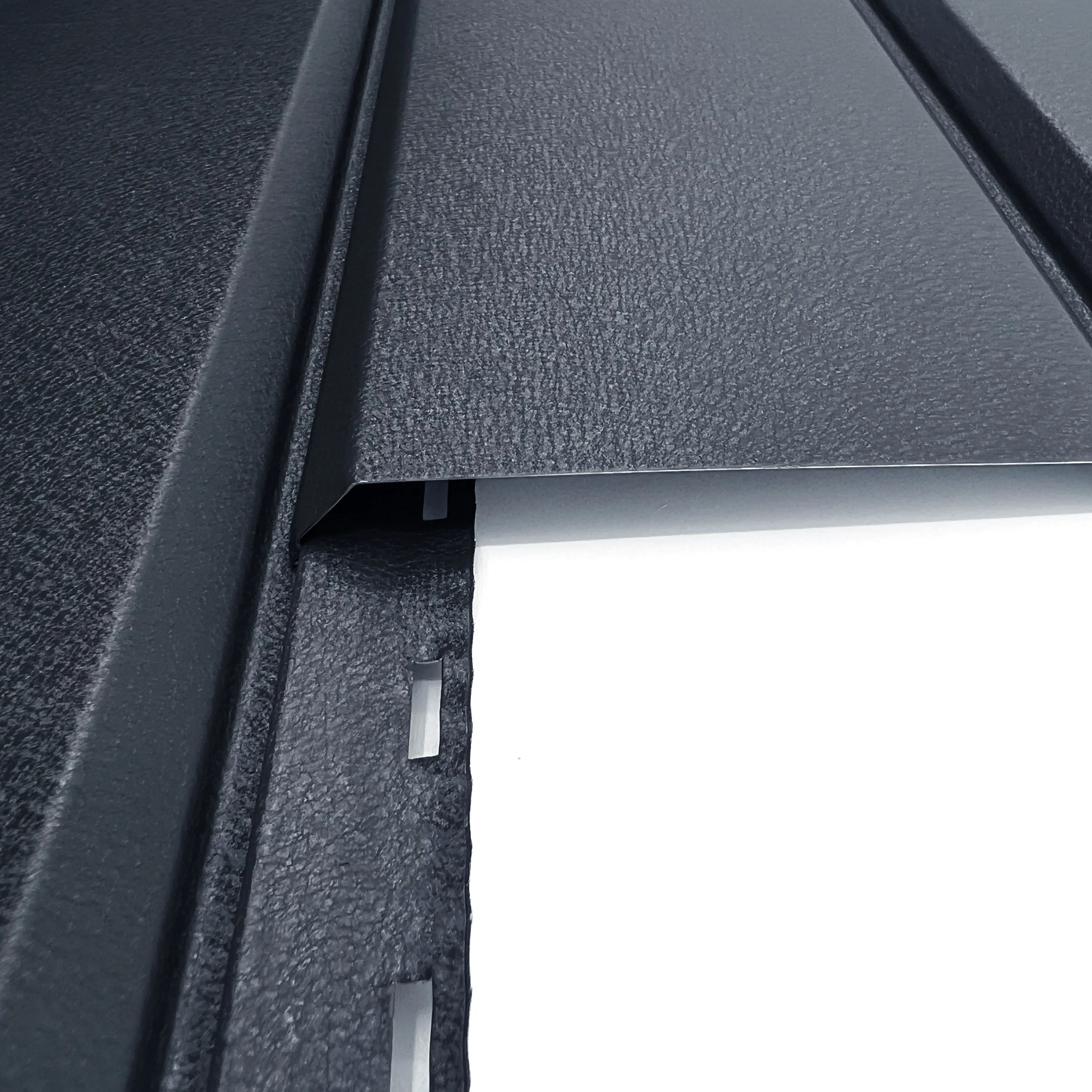
A Starter Profile (also referred to as a base trim or starter trim) is an essential accessory in a ventilated or rainscreen cladding system, positioned at the lowest edge of the cladding installation where the wall meets the ground or base trim line.
It serves several critical structural and water-management purposes:
1. Establishes the Base Line for Installation
The starter profile provides a precise and level datum line from which the first course of cladding boards is set. Because it is fixed firmly to the substrate before the cladding boards are fitted, it ensures that the first row is seated correctly and that subsequent rows remain parallel and aligned. This foundational alignment is crucial for a consistent, professional finish.
2. Supports and Anchors the First Board
Cladding systems often rely on the lower edge of the first board being supported so that it cannot sag, warp, or shift over time. The Starter Profile creates a secure channel or ledge into which the bottom edge of the first cladding panel engages. This mechanical support helps maintain uniform spacing and structural integrity throughout the exterior wall assembly.
3. Promotes Water Redirection and Drainage
One of the primary performance roles of a starter profile is water control. Installed with an appropriate tilt or contour at the base, it:
-
guides rainwater and condensation that enters behind the cladding away from the wall and out of the system,
-
prevents water from pooling at the base of the cladding,
-
helps direct water to the exterior of the assembly where it can safely drain away from the structure.
This water redirection is an integral part of a rainscreen drainage and ventilation strategy, which mitigates moisture buildup and reduces the risk of water ingress into the building envelope.
4. Integrates with Ventilation and Closure Components
In many cladding systems the starter profile works together with perforated closures or ventilation strips placed at the base of the wall. The starter profile is installed just above the closure, creating an opening that allows airflow behind the cladding while still preventing pests, debris, or wind-driven rain from entering the cavity. This enhances the ventilation of the rainscreen cavity, contributing to a drier wall assembly and reduced long-term moisture risk.
5. Aesthetic and Finish Quality
Beyond its functional role, the starter profile improves the visual termination of the cladding system at the base. It provides a neat, uniform edge that conceals fixings and creates a clean transition between the cladding and foundation or other lower building elements.
Starter Profile
If you have any questions, you are always welcome to contact us. We'll get back to you as soon as possible, within 24 hours on weekdays.
-
Shipping Information
We aim to dispatch orders promptly and keep delivery within the estimated timeframes. All shipments include tracking so you can follow your order’s progress. If any unexpected delay arises, we’ll notify you and keep you informed. Your satisfaction and confidence in our service are our priority.
-
Customer Support
Our customer support team is here to help at every step. We pride ourselves on personalised service, and our in-house design team will create a custom sketch of your project based on your exact dimensions to ensure clarity before production. If you have any questions or need assistance, we’re ready to support you promptly and professionally.
-
Contact Us
Have a question or need a personalised quote? Visit our Contact page and submit your request using the quote form — it’s simple and quick. Once received, our team will review your details and get in touch within 24 hours during the working week. We value your time and are here to help you every step of the way.
Free Delivery
Easy Returns
Fast Installation
Product details
Key Features
Technical Details
Facade Clading Components
Cladding Panels
Cladding Panel - functions as the primary element, providing the desired appearance for the structure

Starter Profile
Starter Profile - is a base trim that is positioned at the foundation of the framework and redirects the water away from the wall

End Profile
End Profile - acts as a finishing element to conceal the fixings and ends of the cladding panels
FAQs
Please read our FAQs page to find out more.
How do I join the panels together?
All documentation, including step-by-step installation procedures, fixing schedules, ventilation requirements, and maintenance guidelines, is available in our Cladding Installation Guide on this website.
What is metal sheet cladding?
Metal sheet cladding is a non-structural exterior covering made of metal sheets applied over a building’s façade or walls, providing protection, finish and aesthetics.
What metals are commonly used for sheet cladding?
Common metals include galvanised steel, aluminium, zinc, and sometimes copper. Each has different properties of corrosion resistance, weight, cost and aesthetics.
What thickness should I consider for the metal sheet?
Thickness depends on application (wall cladding vs roof vs façade). Thinner gauges may suffice for walls; thicker might be needed for high-wind zones or exposed façades.
What coatings and finishes are available?
There are several finishes: pre-painted, galvanised/zinc-coated substrates, various colours or textures (including wood effect) etc
What is the difference between a zinc-coated substrate and a plain steel substrate?
A zinc-coated substrate (galvanised) provides corrosion protection under the paint layer — this extends service life and improves durability versus plain steel without coating.
Do I need insulation behind the metal sheet cladding?
It depends. The metal sheet itself offers protection and finish, but if you want thermal insulation or achieve certain U-values you may need an insulated system. Our system is not insulated.
What profiles and shapes are available for metal sheet cladding?
We offer 3 types of cassette panels that interlock. Flat surface (Jupiter), corrugated surface (Venus), ventilated cassettes (Saturn)
What are the benefits of metal sheet cladding?
- Durable and long service life.
- Low maintenance compared to some other façade materials.
- Good protection from weather (rain, wind, snow) when installed correctly.
- Aesthetic flexibility with colours, textures, finishes.
How long will metal sheet cladding last?
With quality material, proper finish and correct installation/maintenance, it can last many decades. In some cases lifespans of 40-50 years (or more) under favourable conditions.